PhageGuard E. coli
 PhageGuard · Natural E. coli O157 control
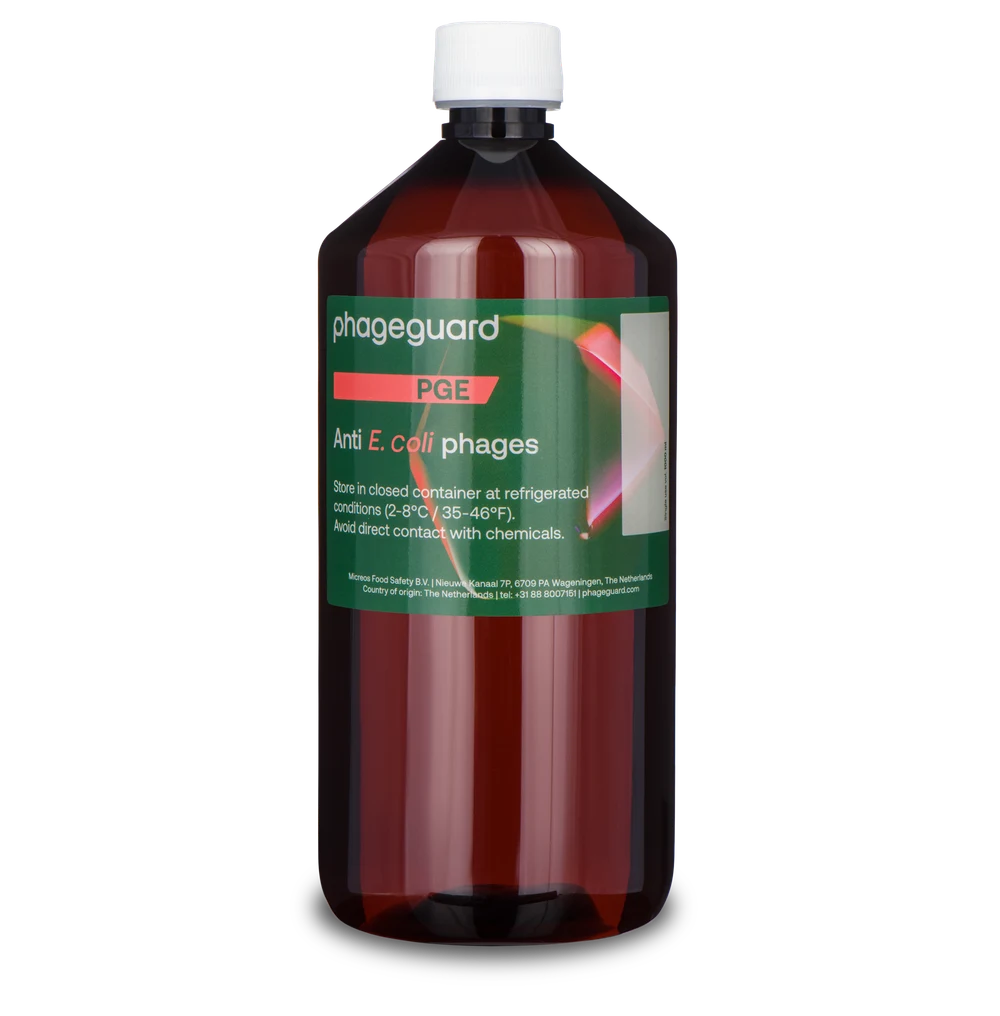
PhageGuard E is a cocktail of two bacteriophages that targets Shiga toxin-producing E. coli O157 (STEC O157) in food without affecting taste, odour or texture. A natural, clean-label intervention, FDA GRAS and accepted by USDA, it works alongside your existing food safety program, most commonly on beef.
| Targets | E. coli O157 (STEC O157) |
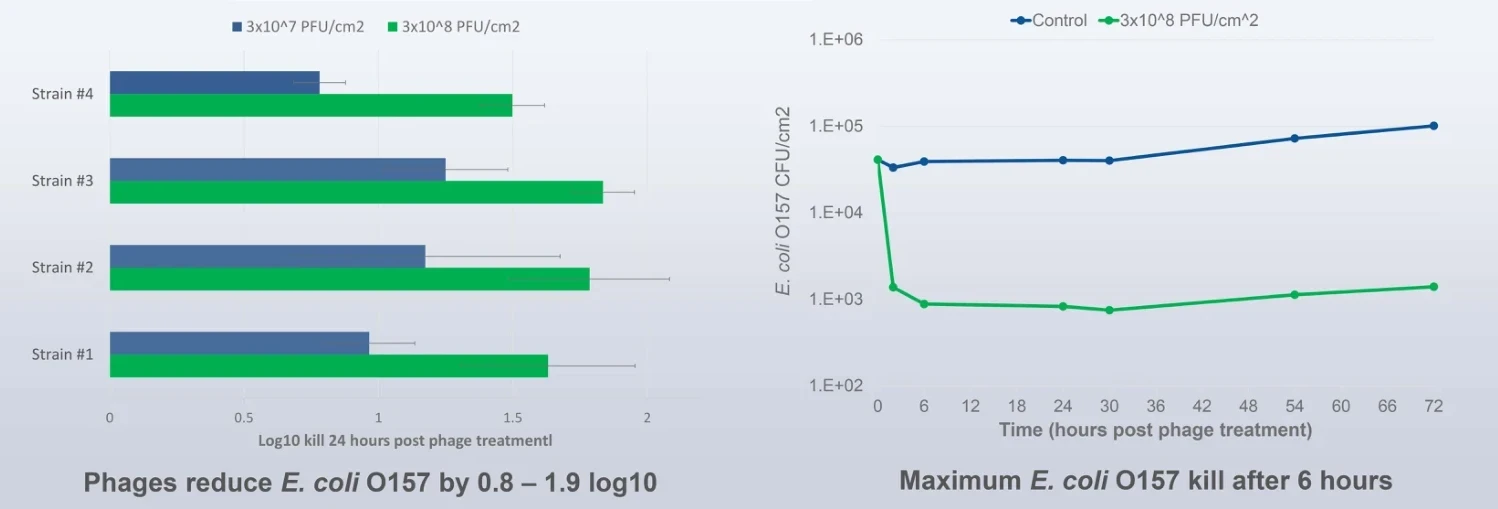
| Reduction | Up to 2 log10 on refrigerated beef |
| Coverage | 90% of E. coli O157 strains |
| Approval | FDA GRAS No. 757; USDA processing aid |
Benefits
- Two-phage cocktail: Covers 90% of all E. coli O157 strains.
- Fast: Maximum kill within 6 hours of treatment.
- Outperforms acids: More effective than lactic and peracetic acid on vacuum-packed beef (University of Nevada, Meat Science 2020).
- No impact on the product: No change to colour, taste, texture or odour, and no need to reformulate.
- Safe and sustainable: Harmless to humans, animals and plants, antibiotic-free, non-corrosive, no wastewater issues.
Features
Precision against E. coli O157
E. coli O157 is a serious foodborne pathogen, most commonly linked to beef, and a major concern for meat processors. PhageGuard E gives processors a natural intervention that can be used post-slaughter or in later processing stages. Available in 100 mL and 1000 mL bottles.
Storage and dosage
Store PhageGuard E closed and refrigerated (2–8 °C). Avoid prolonged exposure above 30 °C and do not freeze. Dosage depends on the product and application point; contact us for a recommended dosage for your process.
Approvals
- FDA GRAS Notice No. 757 (FDA has no questions, August 2018) for beef carcasses, sub-primals, cuts, trimmings and fresh vegetables
- Classified as a processing aid by USDA
How it works
- 1Spray or dip PhageGuard E onto beef carcasses, primals, sub-primals, cuts and trimmings, or onto fresh produce.
- 2Keep chemicals separate. Phages are sensitive to chlorine, hydrogen peroxide and peracetic acid: apply after these, never mixed with them.
- 3Use dechlorinated water (chlorine below 1 ppm) to prepare the solution.
- 4Apply as the last step of your intervention process.
- 5Let it work. Most of the reduction happens in the first hour; activity on food lasts up to 24 hours.








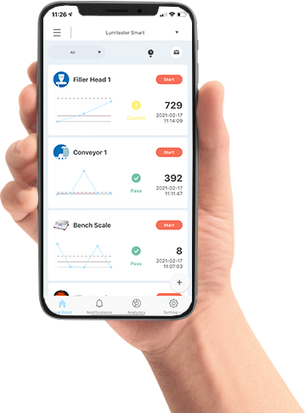
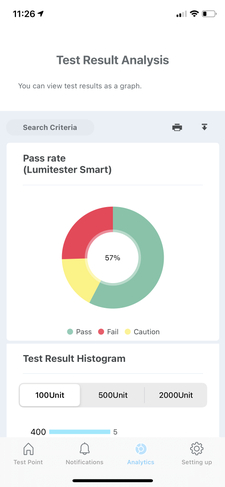 Exportable Data and Reports for Regulatory Compliance
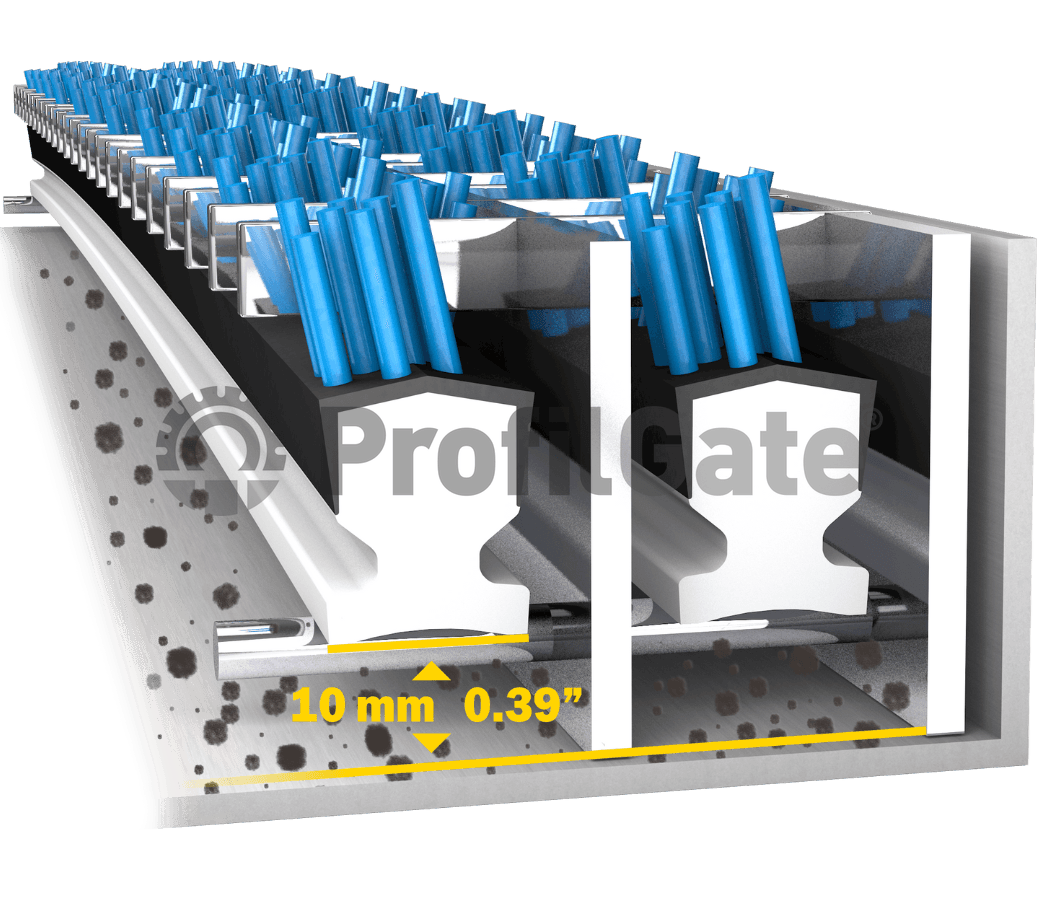

 See how A3 technology finds what ATP technology can’t